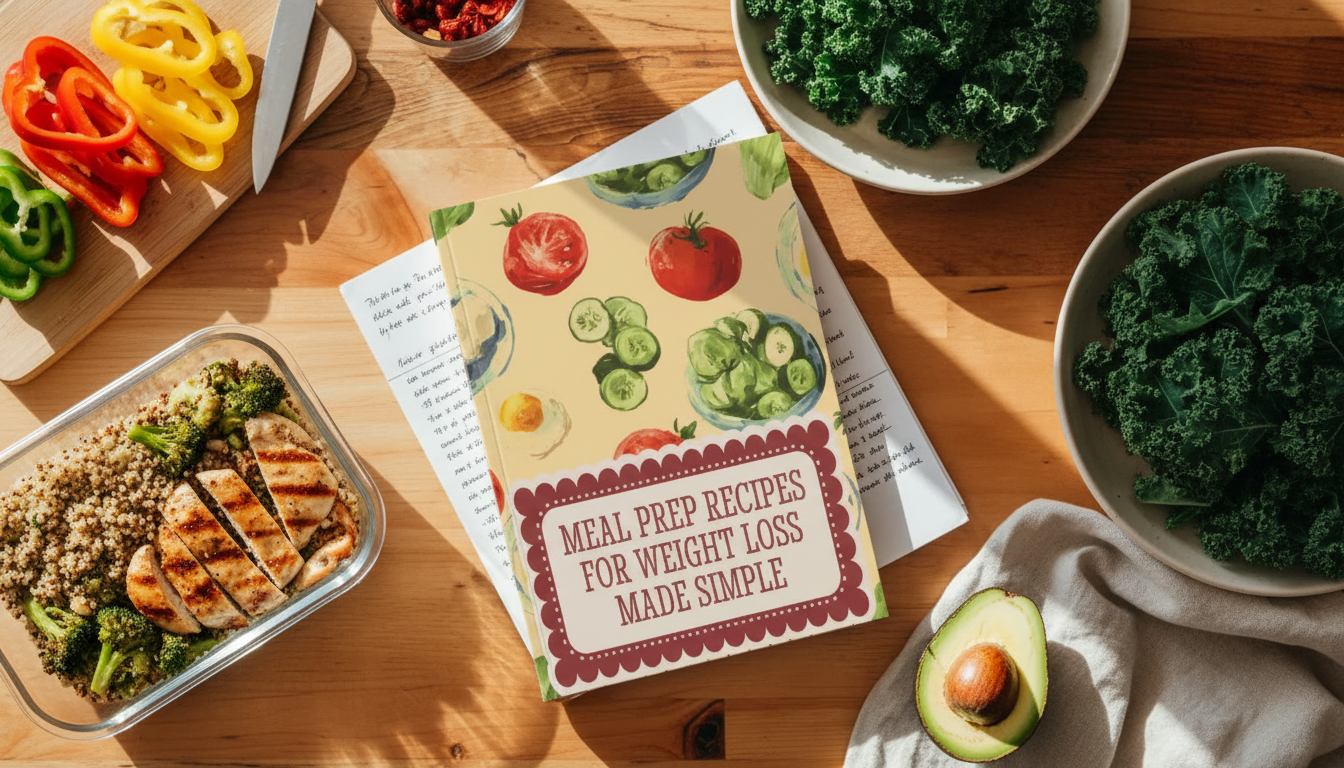
The healthiest meal prep for weight loss is built around high-protein, high-fiber, minimally processed foods portioned to keep calories in check while still feeling satisfying. A reliable formula is: 1–2 palms of lean protein, 1–2 fists of non-starchy veggies, and 1 cupped hand of smart carbs (or extra veggies), plus a small amount of healthy fat.
Lean protein (anchors fullness): chicken breast or thighs (trimmed), turkey, eggs/egg whites, salmon, shrimp, tofu, tempeh, or beans/lentils. Aim for 25–40g protein per meal for many adults.
High-volume vegetables: broccoli, cauliflower rice, zucchini, bell peppers, green beans, leafy greens, mushrooms, and salad mixes. Roast or sauté a big sheet pan so meals feel “big” without adding many calories.
Fiber-forward carbs (optional but helpful): quinoa, brown rice, sweet potatoes, oats, berries, or whole-grain wraps. Keep portions measured and consistent.
Healthy fats (measured, not free-pour): olive oil spray, avocado (a few slices), nuts (about 1 oz), or a tablespoon of tahini. Fats improve flavor and satisfaction—just portion them deliberately.
Bowl: grilled chicken + roasted mixed veggies + 1/2 cup cooked quinoa + salsa or Greek-yogurt ranch.
Stir-fry: shrimp or tofu + frozen stir-fry veg + cauliflower rice + low-sugar teriyaki or soy/ginger.
Salad jar: chickpeas or turkey + crunchy veg + greens + measured dressing on the bottom.
Prep 2 proteins, 2 veggie sides, and 1 carb option, then mix and match to avoid boredom. Use spice blends, citrus, mustard, hot sauce, and vinegar-based sauces for big flavor without piling on calories. For more ideas and step-by-step guidance, visit the full guide here.
Greek yogurt, cottage cheese, hard-boiled eggs, edamame, tuna packets, and protein smoothies made with fruit and spinach are filling options. Pairing protein with fiber (like berries or an apple) helps curb cravings longer.









Leave a comment