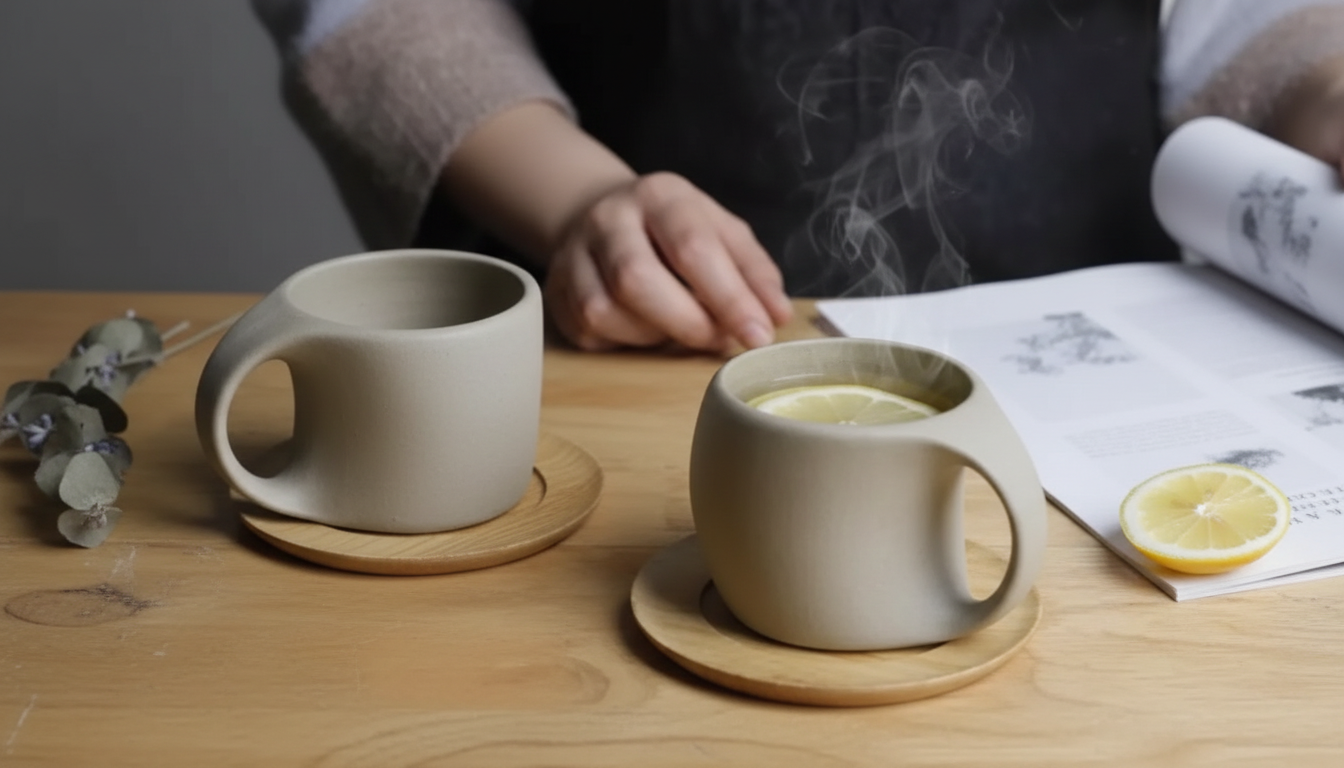
Japanese ceramic cups for coffee are drinkware pieces made in Japan—often by small workshops or regional kilns—designed to highlight coffee’s aroma, temperature, and mouthfeel while adding a calm, handcrafted feel to daily brewing. They’re typically crafted from stoneware or porcelain and finished with glazes that range from glossy and refined to rustic, matte, and texture-rich.
Many Japanese ceramic cups emphasize balance and comfort over oversized capacity. You’ll often see slightly smaller volumes, thinner or thoughtfully curved rims, and shapes that guide aroma upward—details that can make pourover, drip, or iced coffee feel more intentional. Handles may be minimal or absent, especially in yunomi-style cups; instead, the form is made to sit naturally in the hand.
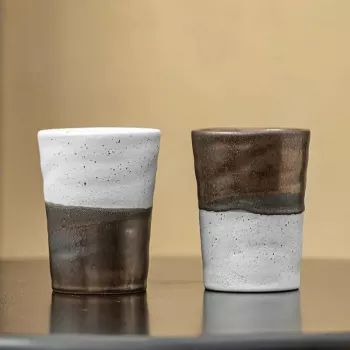
Originally associated with tea, yunomi shapes are frequently used for coffee in Japan because they’re easy to warm in the hands and suit smaller servings. Their straight or gently flared sides help coffee cool at a comfortable pace.
Japanese mugs often feel lighter and more refined than chunky diner-style mugs. Handles can be delicate, and the cup walls may be thinner, making them pleasant for aromatic brews.
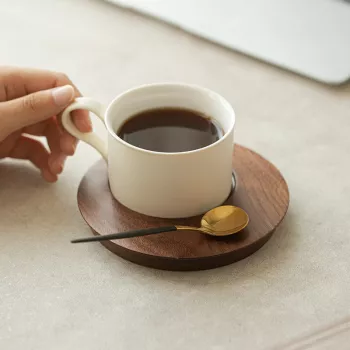
Compact ceramic cups are common for espresso, moka pot coffee, or short black coffee. The ceramic body helps retain heat while the rim shape can soften the intensity of each sip.
Stoneware is popular for its durability and earthy character, while porcelain is prized for a smoother, cleaner look and a crisp feel at the lip. Glazes can be reactive (creating unique variations) or more uniform. Some cups feature subtle foot rings, hand-trimmed bases, or intentional asymmetry—signs of studio craftsmanship rather than factory sameness.
Start with how you brew and serve. For pourover or drip, a medium-size cup with a comfortable rim is ideal. For milk drinks, choose a slightly wider cup that accommodates foam. If you like to hold the cup for warmth, consider a handleless shape with thicker walls. For a deeper look at styles and picking the best fit, visit the main guide to Japanese ceramic cups for coffee.
Many are, but it depends on the clay body, glaze, and any metallic or overglaze decoration. Check the maker’s care notes; handwashing is the safest option for preserving handcrafted finishes.









Leave a comment