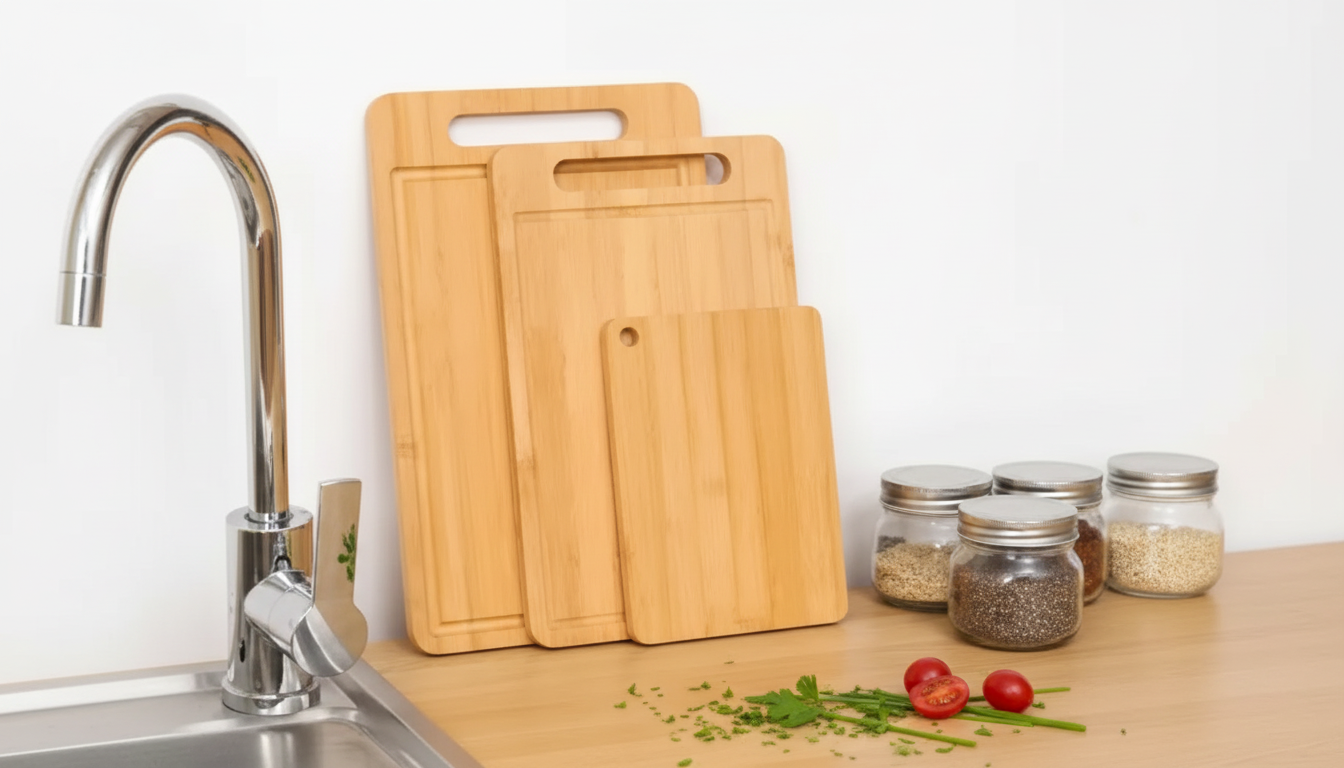
A thick bamboo cutting board is a practical upgrade for everyday prep: stable on the counter, gentle on knives, and easy to flip between tasks. Designed for busy kitchens, a double-sided rectangular board creates a reliable surface for slicing produce, carving proteins, and serving snacks—while choosing a fast-growing, eco-friendly material. If you’re ready to refresh your prep setup, the Thick Bamboo Wood Cutting Board – Double-Sided, Rectangular, Durable & Eco-Friendly is an easy, budget-friendly way to bring more order (and less wobble) to daily cooking.
When a cutting board feels stable, chopping becomes smoother and safer—especially during quick weeknight prep. Thickness matters more than many people expect, and bamboo brings a satisfying balance of firmness and day-to-day practicality.
One of the most useful “features” of a double-sided cutting board is how naturally it supports cleaner flavors and a less cluttered workflow. You don’t need a complicated system—just a consistent habit.
| Board side | Best for | Quick cleaning tip |
|---|---|---|
| Side A | Produce, herbs, fruit | Rinse, wipe dry immediately; avoid prolonged soaking |
| Side B | Bread, cooked meats, cheese boards | Brush off crumbs, wipe with mild soap, dry upright |
| Either side (after cleaning) | Serving snacks | Light oiling helps maintain a smooth finish |
A cutting board earns its place by holding up to repeated slicing, chopping, and quick rinses. While any board can wear down with neglect, thicker bamboo boards tend to stay more dependable over time when treated well.
A bamboo board is simple to maintain, but it rewards consistency. A quick wash and proper drying go a long way toward keeping the surface smooth and minimizing odors.
For safe kitchen handling basics, review guidance from USDA FSIS on cutting boards and food safety and general cleaning recommendations from the FDA’s clean and sanitize advice. For a practical overview of everyday cleaning habits, the NSF kitchen cleaning basics is also a helpful reference.
Start by oiling once a week for the first month, then about once a month (or whenever the surface looks dry). Use food-safe mineral oil or board cream, let it soak in, and wipe off any excess.
Generally no—high heat and long water exposure can warp or split bamboo. Hand-wash quickly, dry immediately, and store the board upright so it dries evenly.
Scrub with baking soda and a damp sponge, then rinse and dry completely. For stronger odors, rub with lemon and coarse salt, rinse, dry, and re-oil if the surface feels dry afterward.








Leave a comment