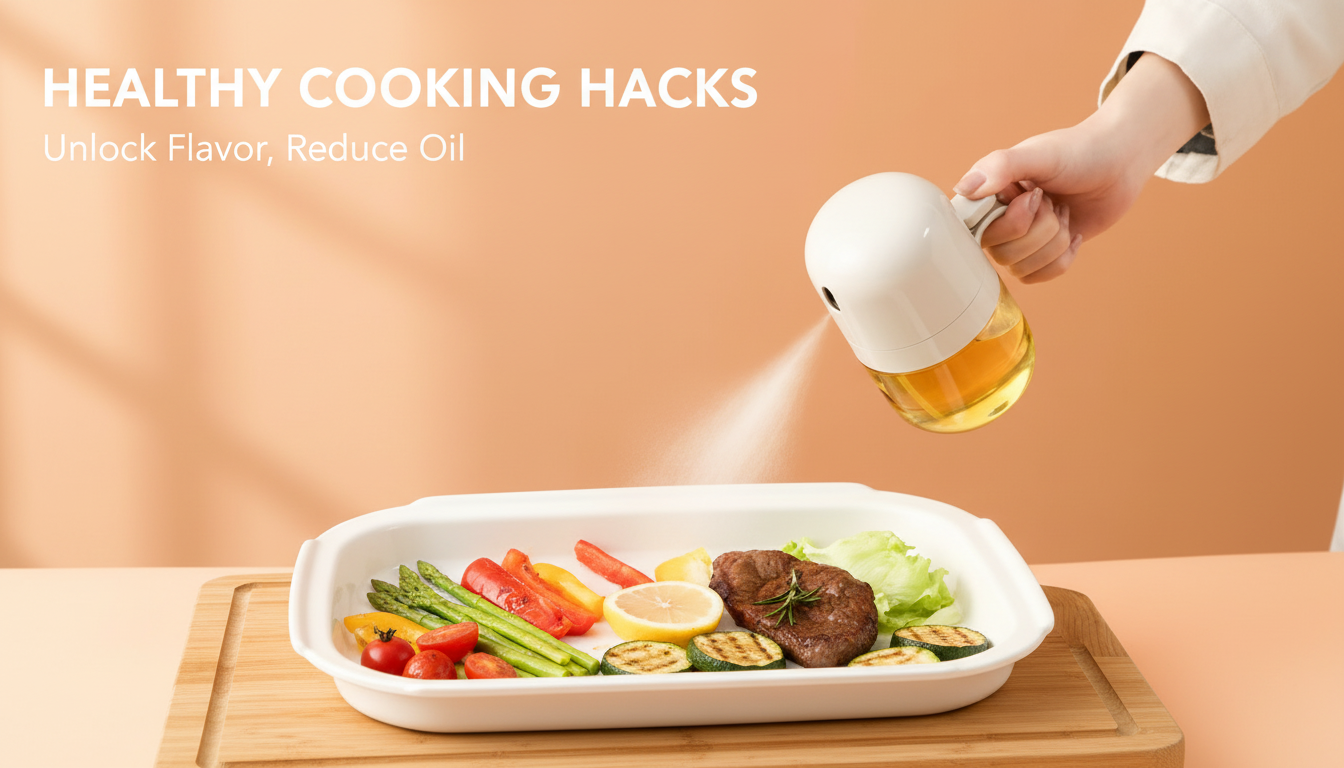
A good oil sprayer helps control portions, reduce mess, and coat food evenly—whether the goal is crisp air-fryer fries, a clean release on a baking tray, or a quick gloss on grilled vegetables. This 300ml glass olive oil sprayer bottle is built for frequent kitchen use, with a capacity that suits daily cooking while keeping oil visible and easy to track.
When oil is applied in a controlled mist, it becomes easier to cook with intention—less guessing, fewer greasy puddles, and better coverage where it counts.
For anyone tracking fats for nutrition or consistency, it also helps to know what you’re using. For general nutrition details on olive oil, USDA FoodData Central is a reliable reference, and the Harvard Nutrition Source offers practical context on dietary fats.
A 300ml sprayer sits in a “daily-driver” sweet spot: large enough that refills aren’t constant, yet compact enough to stay within reach on the counter or in a cabinet.
| Use case | Where to spray | Typical amount | Tip for best results |
|---|---|---|---|
| Air fryer fries or wings | Food + basket (lightly) | 2–6 sprays | Shake halfway through and add 1–2 sprays if dry spots appear |
| BBQ vegetables | Vegetables in bowl or grill basket | 6–10 sprays | Toss first, then spray again right before grilling for shine |
| Pan-searing proteins | Protein surface | 3–6 sprays | Pat dry first; oil helps browning when the surface moisture is reduced |
| Roasting on sheet pans | Pan + food | 4–10 sprays | Spray pan lightly, then spray food after seasoning to help it adhere |
| Salads and finishing | Top of salad or plated food | 1–4 sprays | Spray from higher up for a lighter, more even coat |
Air fryers reward restraint: a thin, even coat encourages browning and crisping, while excess oil can drip, smoke, and leave residue in the basket and drawer.
If smoke is a recurring issue, temperature and oil choice matter. The Cleveland Clinic’s smoke point guide is a helpful baseline when deciding between extra-virgin olive oil, refined olive oil, avocado oil, and other options.
On the grill, a sprayer is most useful for targeted coverage—coating food quickly without dumping oil into the fire zone.
A stream usually means the nozzle has residue buildup, a partial clog, or the oil is too thick to atomize well. Flush the sprayer with warm water and a drop of dish soap, pump several times, then rinse and test again; also avoid overfilling and use steady, full trigger strokes.
Yes—olive oil can work well when sprayed lightly and used at moderate air-fryer temperatures. Refined olive oil typically tolerates higher heat than extra-virgin, and keeping the basket clean helps reduce burned-on residue that can contribute to smoke.
Yes, as long as the infusion is well strained so herb or garlic particles don’t clog the nozzle. Filter through a fine mesh or coffee filter and plan on cleaning the sprayer more often to keep the mist consistent.









Leave a comment