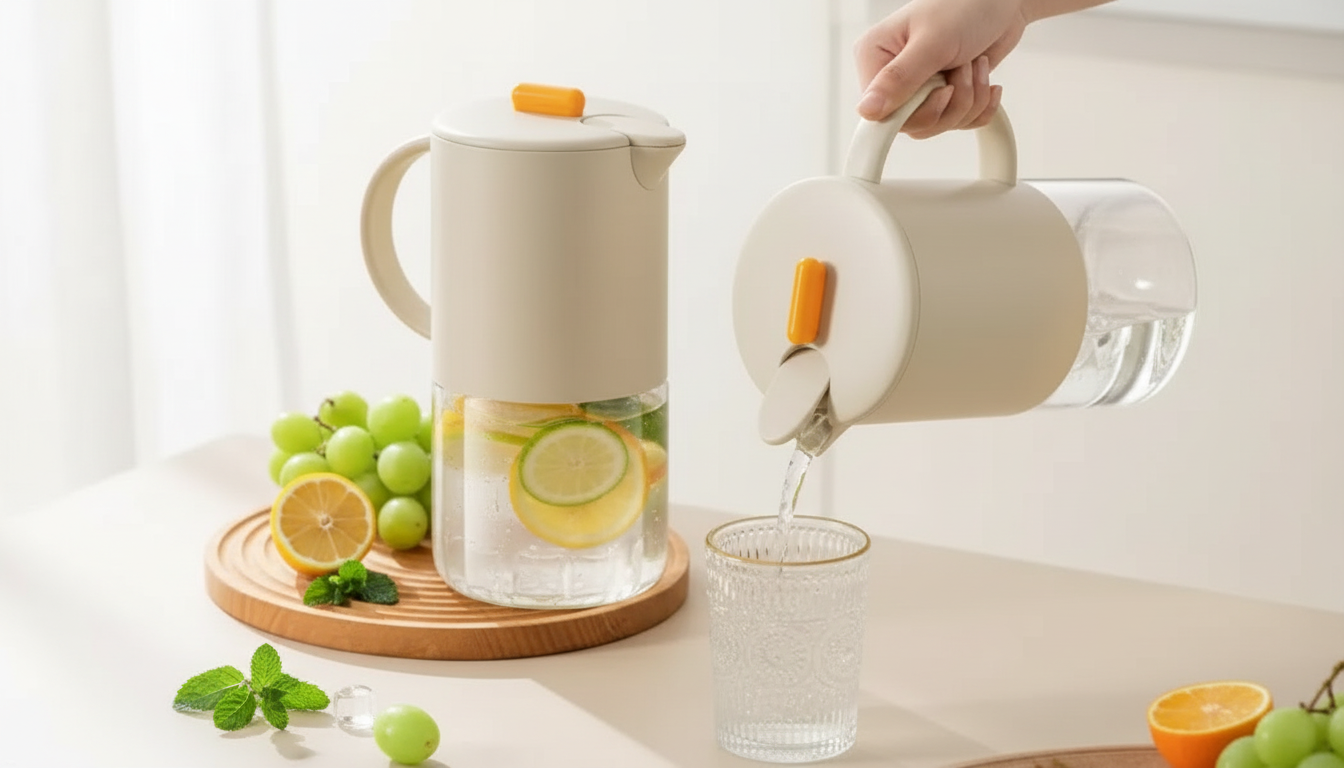
High borosilicate glass is generally considered safe for everyday food and drink use. It’s a non-porous, non-reactive material, which means it typically won’t leach flavors, odors, or chemicals into what you’re eating or drinking. That’s a big reason it’s popular for items like kettles, teapots, storage containers, and bakeware.
Where borosilicate really stands out is heat performance. Compared with standard soda-lime glass, it handles higher temperatures and temperature changes more reliably, so it’s less likely to crack when exposed to hot liquids or oven heat. “Less likely” doesn’t mean “impossible,” though—any glass can fail if it has chips, hidden damage, or is subjected to extreme thermal shock.
Borosilicate glass is chemically stable. It doesn’t contain coatings that need to “wear in,” and it typically won’t react with acidic foods like tomato sauce, lemon, or vinegar. Since it’s smooth and non-absorbing, it’s also easier to clean thoroughly, which helps with hygiene and lingering smells.
Most issues come from use and handling rather than the material itself. Avoid pouring cold water into a very hot vessel (or placing hot glass directly onto a cold, wet surface), as sudden temperature shifts can cause cracking. Don’t use chipped or scratched glass for high-heat applications, and follow any manufacturer limits for ovens, stovetops, and microwave use—especially for items with lids, silicone parts, or metal components.
If a product is labeled “borosilicate-like,” “high borosilicate,” or lacks clear specifications, quality can vary by brand. For maximum confidence, look for clear temperature guidance and reputable sellers. For a deeper breakdown of pros, cons, and best-use tips, see the full guide on high borosilicate glass safety.
It’s more resistant to thermal shock than regular glass, but sudden extreme changes can still cause cracking. Let the glass temper for a few minutes when moving between very cold and very hot conditions.








Leave a comment